Welcome: QUFU TOYOMI AUTO PARTS CO,LTD.
Language:
 ∷
∷

∷
 ∷
∷

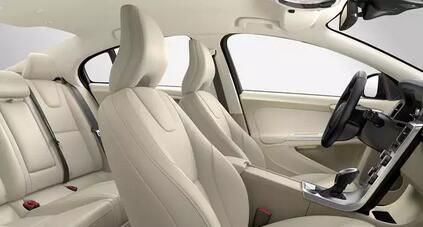
With the rapid development of the automobile industry, people stay in the car longer and longer, the car's environmental quality will greatly affect people's health, and therefore more and more attention. The main source of environmental quality of the car is the automotive interior materials, which is mainly by the textile, leather and plastic automotive interior materials in the production and processing of residual organic solvents caused by benzene, formaldehyde, xylene and other volatile organic compounds, The pollution caused by this cause is particularly pronounced in the newly purchased new car.
In this paper, the safety performance of automotive interior materials is expounded from several aspects of vehicle interior quality control, and the relevant standards and test methods, as well as the sources and countermeasures of vehicle pollutants, are expounded.
First, the automotive interior materials safety performance evaluation indicators
The existing automotive interior materials safety performance evaluation indicators are mainly fogging value of flame retardancy, odor, formaldehyde content, volatile organic matter emissions of gas. Domestic due to the absence of applicable vehicle environmental pollutant control standards, some enterprises on the vehicle environmental pollution did not cause enough attention did not take appropriate measures. Lack of standard limits of pollutants, such as polycyclic aromatic hydrocarbons and other carcinogenic substances will likely cause pollution "black hole". Therefore, to strengthen the supervision and testing of the environment inside the car to increase the vehicle pollutant monitoring projects, the development of vehicle pollutant limits to an objective reflection of the air quality of the vehicle to promote the prevention and control of environmental pollution in the car to protect the consumer Physical and mental health is imminent.
1.1 Evaluation of vehicle air quality
(1) the source of air pollutants inside the vehicle pollutants
One is derived from the main body of the car contained in the release of harmful substances;
The second is derived from the decoration materials contained in the release of harmful substances;
Three is derived from the entry of external pollutants;
Four is derived from the car occupants living habits.
The release of small molecules such as styrene, vinyl acetate, propylene, phenols and polymers with less polymerity in polymer materials such as plastics, rubber and chemical fibers, such as plastic, rubber and chemical fibers, and their use The main pollutants are formaldehyde, benzene, toluene, chloroform, acetone, xylene, olefins, chlorinated hydrocarbons and aromatic hydrocarbons; and other pollutants in the air,
External pollutants are mainly carbon monoxide, hydrocarbons, hydroxides, automobile exhaust and air conditioning evaporator long-term use of pollutants accumulated after the pipeline will enter the car; driving staff to improve the smell of the new car sprayed Air freshener, formaldehyde scavenger, car spices, etc. is also the secondary air pollution sources, occupants in the car smoking will increase the volatile hazardous substances and dust like the level of air pollutants.
(2) the risk of air pollution inside the vehicle
Car in the process of driving, the car is a relatively closed environment, occupants long-term in a polluted environment in the car, there will be headache, fatigue and other symptoms, severe dermatitis, asthma, low immunity, or even Is leukopenia. Therefore, we must establish a sound test standards to assess the pollution of the environment inside the car.
1.2 Flame retardant properties
Car interior materials must have a very good burning and flame retardant properties for the occupants to provide a certain survival and escape time. Developed countries have enacted strict regulations such as the US Federal Regulations FMVSS571.302, the International Organization for Standardization ISO3795, and the Council of Europe Directive 95/28 / EC on the combustion characteristics of automotive interior materials.
China in 1987 also developed a corresponding mandatory standard GB8410-1987, by 1994 and 2006 has twice revised to form a GB8410-2006, the standard corresponds to FMVSS571.302. China's standard GB8410-2006 on the flame retardant performance requirements are too low, not enough to effectively prevent and delay the occurrence of fire, which for all automotive interior materials, flame retardant performance is only a simple requirement, that is, under the relevant test conditions, the level of burning speed is not greater than 100mm / min. The threshold is so low that most plastics, especially thermoplastics, meet the requirements with almost no flame retardant. This kind of interior material in the event of fire, in fact, has become a "combustion material." Therefore, we can consider the addition of automotive interior materials, flame retardant grade, oxygen index and smoke density and other indicators.
1.3 Atomization performance
Atomization performance is an important indicator of automotive interior materials. Automotive interior materials such as leather, plastic, textiles and adhesive materials, adhesives, etc., contain some volatile substances, under certain conditions will be volatile in the car windows or windshield condensation, seriously affecting the driver's line of sight and Driving safety. At present, there is no uniform requirement for atomization performance at home and abroad. At home and abroad, some automobile standardization organizations and automobile brand manufacturers generally require ≤ 2mg ~ 5mg for the atomization value of automobile interior leather.
1.4 Other indicators
1.4.1 Polycyclic aromatic hydrocarbons
In recent years, the media has repeatedly reported that a variety of domestic cars were detected strong carcinogenic polycyclic aromatic hydrocarbons (PAHs), due to the hazards of PAHs, a number of countries and regions of its restrictions, such as: EU Directive 2005/69 / EC (A) pyrene (BaP) content of <1 mg / kg or 8 polycyclic aromatic hydrocarbons (PAHs) in oil and tires <10 mg / kg & lt; RTI ID = 0.0 & gt; , The United States Environmental Protection Agency requires priority assessment of 16 kinds of PAHs shall not contain, Germany GS certification standard ZEK01.4-08 requirements BaP limit of 1mg / kg or 18 PAHs total content limit of 10mg / kg (second class material) The Domestic air quality on the car has limited the national standard, such as GB / T27630-2011 "passenger car air quality evaluation guide", GB / T17729-2009 "long-distance passenger air quality requirements", but did not cover the carcinogen The Therefore, the polycyclic aromatic hydrocarbon content as a vehicle interior decoration materials safety evaluation of the indicators is also necessary.
1.4.2 Disable flame retardants
At present, China's auto plastic parts in the proportion of the total share of the car has reached about 10%, especially automotive plastic interior parts are generally required flame retardant. Flammability is the most important safety characteristics of automotive interior materials, the use of flame retardant finishing can give a certain flame retardant properties [3], and the use of some of the flame retardant itself is toxic, or burning toxic substances, Some flame retardants are bioaccumulative and carcinogenic. Therefore, the limits of such flame retardants should also be one of the indicators to evaluate the safety performance of automotive interior materials. In addition, some conventional indicators such as azo dyes, extractable heavy metals, pentachlorophenol, etc. should also be included in the scope of automotive interior materials safety assessment. The determination can be carried out in accordance with the national standard detection method of the corresponding materials.
Contact: QUFU TOYOMI AUTO PARTS CO,LTD.
Tel: (+86)0537-4488678 3355222
Email: qufufengmei@163.com
Add: Qufu, shandong province economic development zone industrial park in Taiwan